Figure 2: Map of Clover Greaves Mill
The General Register is a worker record from Clover Greaves Mill, which was one of 14 textile mills in Calverley with Farsley.This is not unique to this mill, in fact similar records were kept in factories and workshops throughout the UK at that time. These registers were required under the Factories Act 1901 to guide employers or those in charge of factories on how to record matters relating to the employment of young people and children and factory safety. Employers are required to provide basic information about all children and young people in the registers and to obtain a certificate of fitness from a medical practitioner at the time of employment.
This archive records the information of a total of 112 young persons (108) and children (4) employed from 1902 to 1916, including their names, ages, parents' names, employment dates, school certificates, doctor certificates, etc. The statistical charts show the number of people employment in different years and the number of people first hired in different age groups. Among them, there is a two-year-old child, which perhaps a data error.
-
The evolution of labour Acts in the UK
-
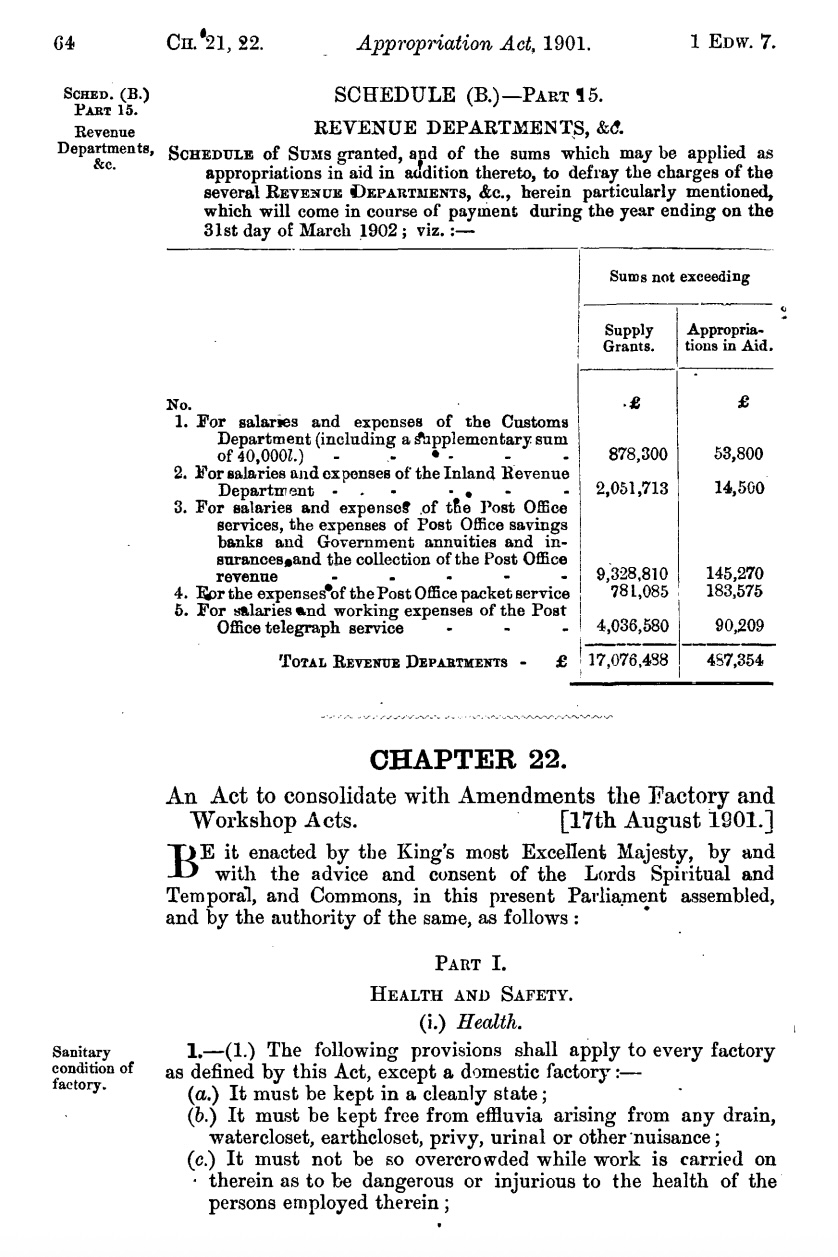
1901-Factory and Workshop Act 1901
This Act raises the minimum working age to 12, allowing people to take up full-time jobs at the age of 13. And the safety requirements in the workplace have been raised.
-
1974-Health and Safety at Work etc. Act 1974
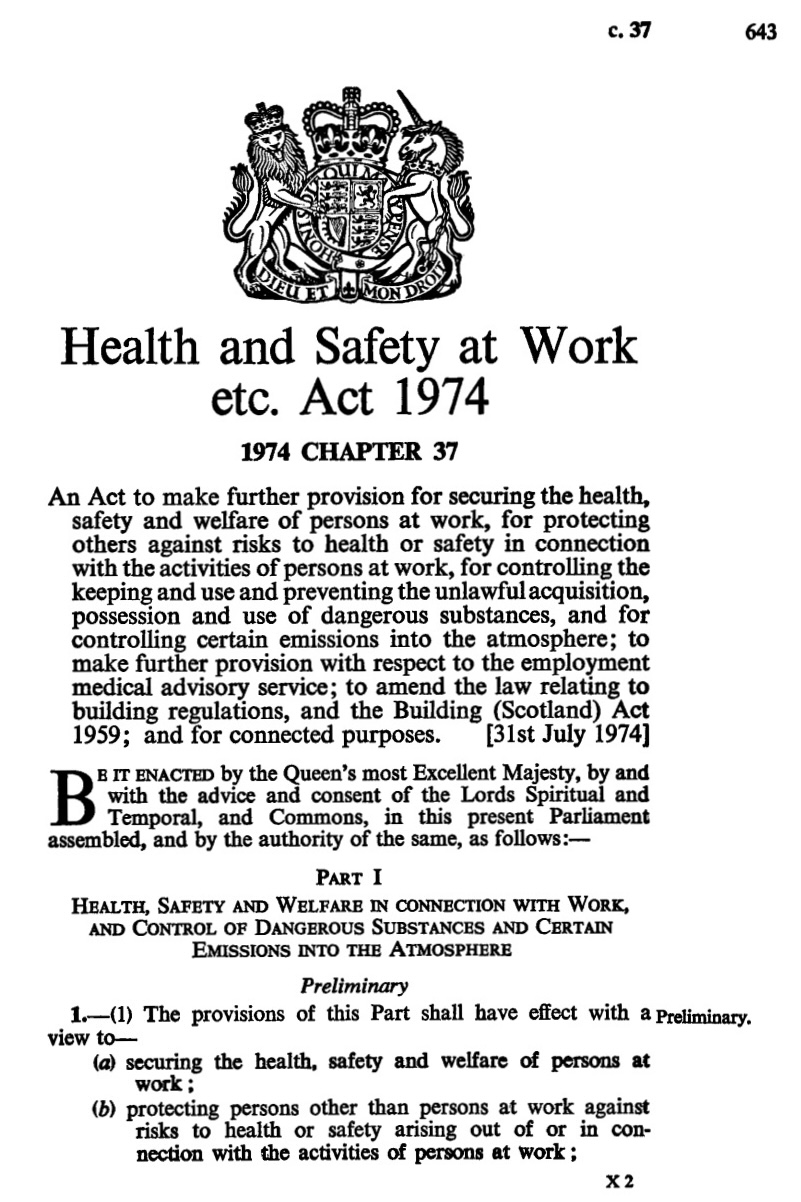
This Act confirms that employers have the obligation to ensure a safe working environment.
-
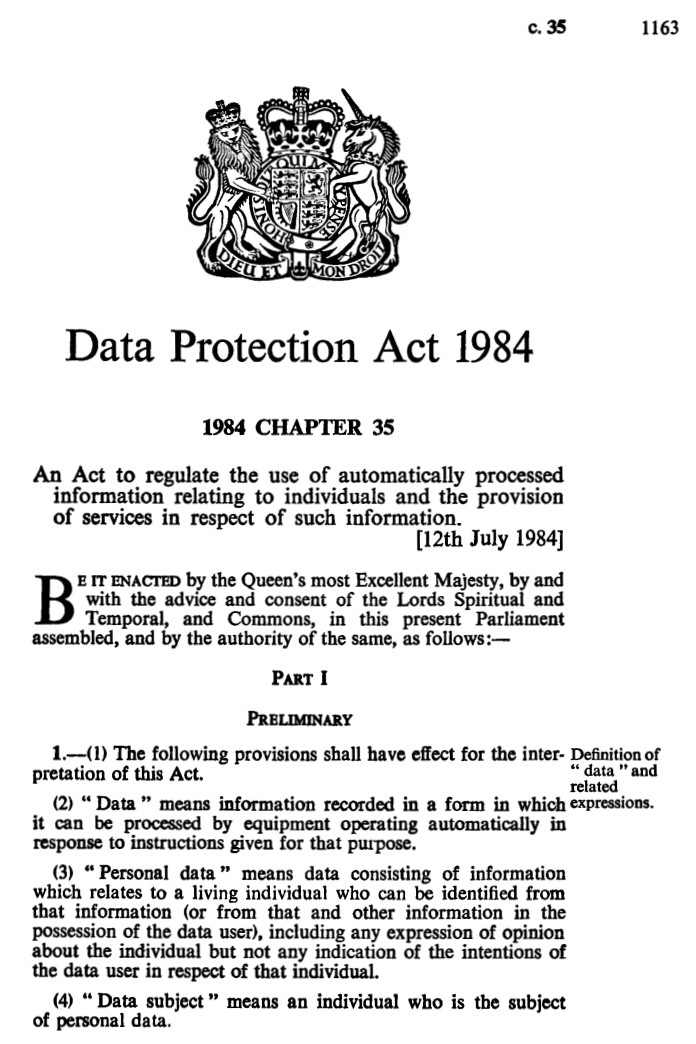
1984-Data Protection Act 1984
UK’s first legal framework for protecting personal data. Sets out the rules which an organisation has to follow when they store personal information about people.
-
1998-Human Rights Act 1998
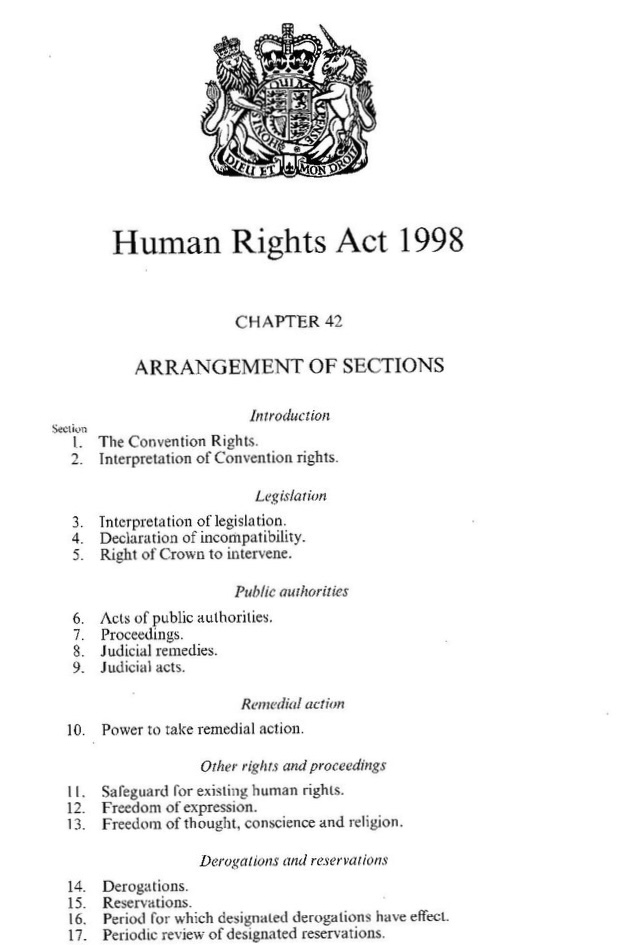
Incorporated the European Convention on Human Rights into UK law, guaranteeing rights to privacy and protection from unjustified surveillance.
-
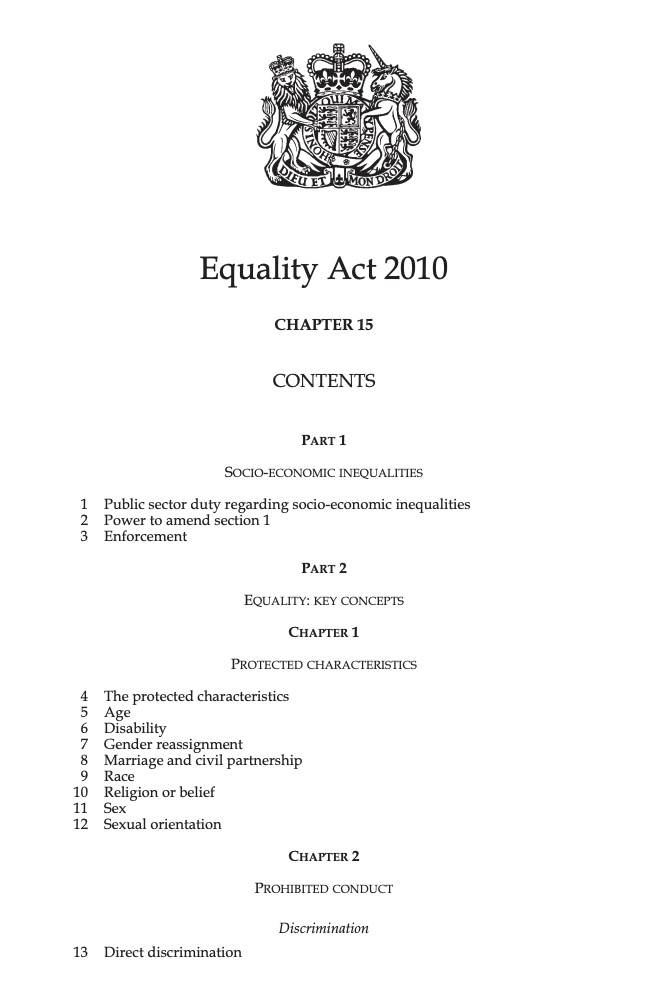
2010-Equality Act 2010
Unified and strengthened anti-discrimination laws, protecting individuals’ employment rights based on characteristics like race, gender, and disability.
-
2018-Data Protection Act 2018
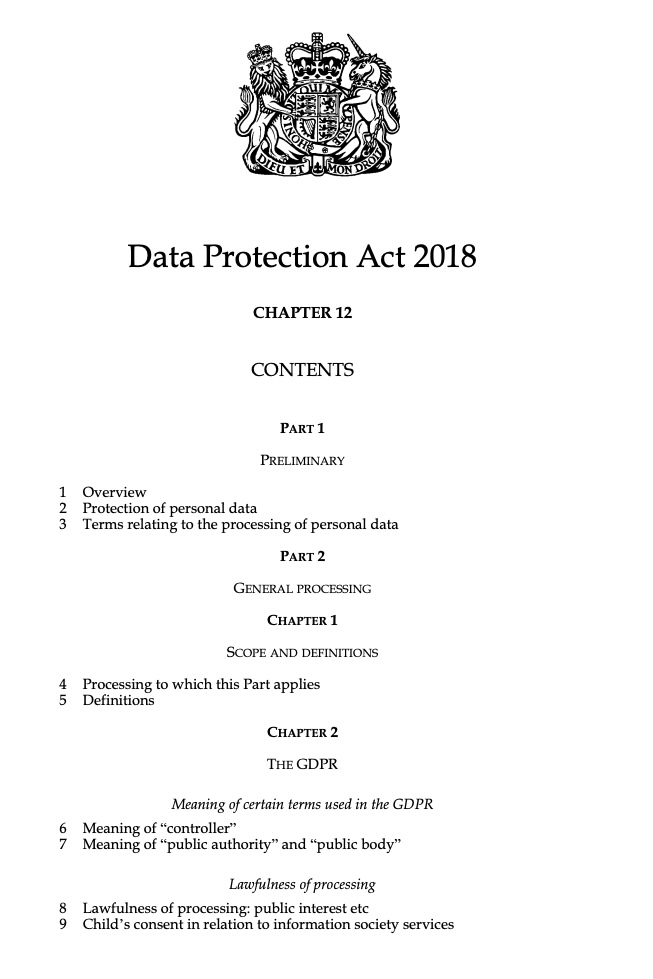
Updated data laws in line with GDPR, giving workers more rights over how their personal and employment data is collected, stored, and used.